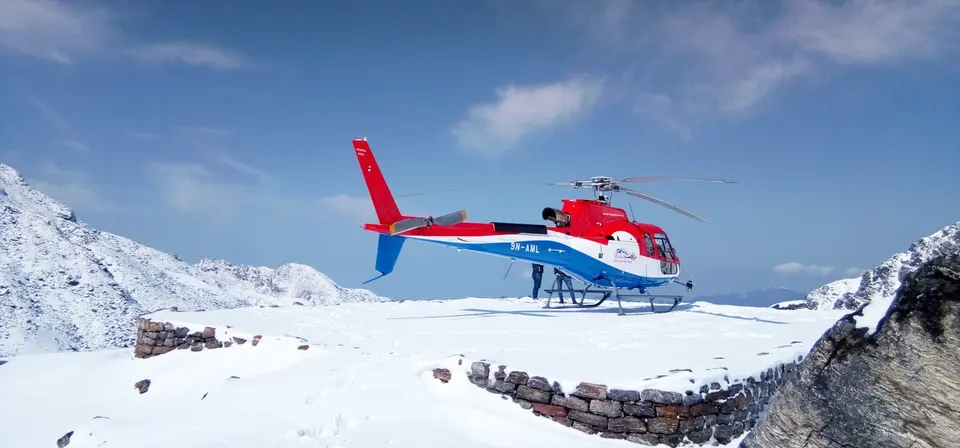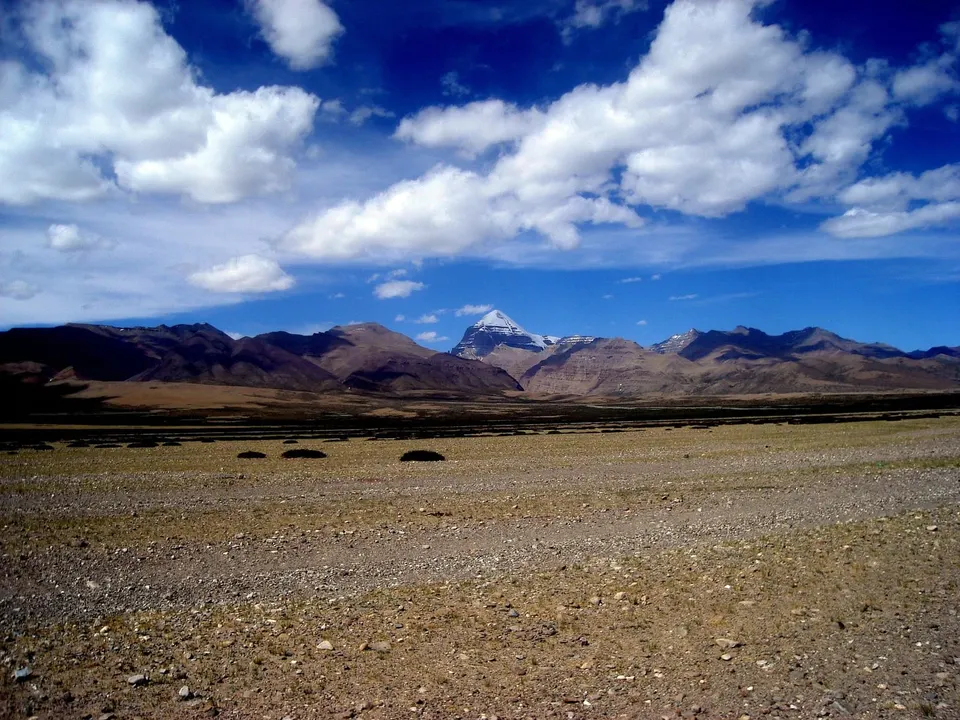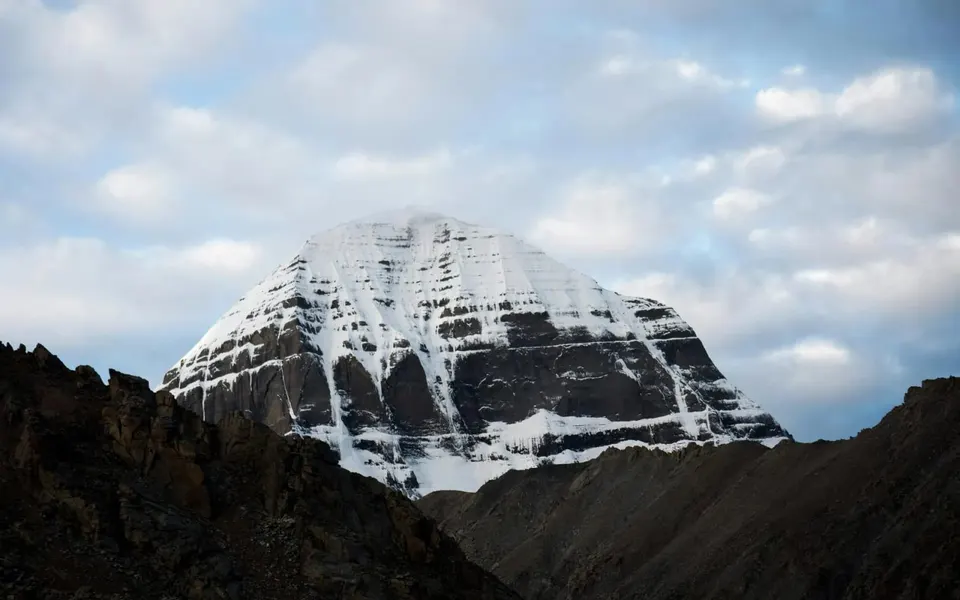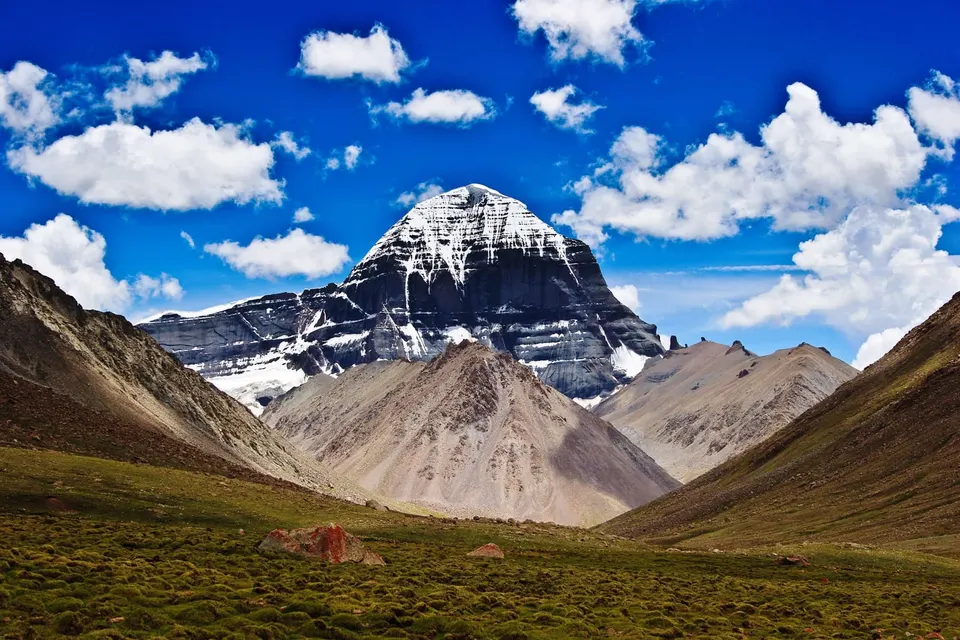
The Gosaikunda Trek is one of the most revered and captivating trekking routes in Nepal, offering a rich blend of natural beauty, cultural heritage, and spiritual significance. Nestled in the Langtang region, this trek takes you to the sacred Gosaikunda Lake, a destination that attracts Hindu and Buddhist pilgrims alike.
The itinerary
- 1Day 1
Drive to Dhunche (1,460m)
Your Gosaikunda Trek begins with a scenic drive from Kathmandu to Dhunche, which is the starting point of the trek. The journey itself is a visual treat as you drive along winding roads, with the Langtang mountain range visible in the distance. On the way, you’ll pass through charming villages, lush green hills, and terraced fields that depict rural life in Nepal. The drive takes approximately 6-7 hours, and along the way, you’ll be able to witness the diverse landscapes of the lower Himalayas. Upon arrival in Dhunche, the main entry point for the trek, you’ll settle into a local teahouse for the night, enjoying your first taste of the hospitality of the Tamang and Sherpa communities that live in this region.
- 2Day 2
Trek to Sing Gompa (3,330m)
The trekking adventure officially begins today with a hike from Dhunche to Sing Gompa. The trail takes you through dense forests of oak, pine, and rhododendron, with an abundance of vibrant flowers during the spring and summer months. As you make your way through the forested paths, you’ll come across traditional villages where locals go about their daily lives. The trek is relatively moderate but offers some steady ascents that will warm you up for the higher altitudes ahead. After reaching Sing Gompa, you’ll visit the famous Sing Gompa monastery, an important Buddhist site in the region, where you can take in the panoramic views of the Langtang range. The monastery and its peaceful surroundings offer a tranquil spot for reflection and relaxation after a rewarding day’s trek.
- 3Day 3
Trek to Laurebina (3,910m)
The trek continues as you ascend to Laurebina, passing through beautiful rhododendron forests and alpine meadows. The trail slowly climbs higher, and as you reach Laurebina, the air becomes cooler and the views even more spectacular. Along the way, you’ll be treated to views of several peaks including Langtang Lirung and Ganesh Himal, with snow-capped mountains beginning to dominate the landscape. The beauty of the surroundings makes this day a photographer’s paradise, as you capture the contrast of lush forests with the towering Himalayan peaks in the distance. Laurebina is an excellent spot to rest for the night, as it provides trekkers with serene views and a peaceful atmosphere, making it a perfect place to relax and acclimatize.
- 4Day 4
Trek to Gosaikunda (4,380m)
Today’s journey takes you to the sacred Gosaikunda Lake, which lies at an elevation of 4,380 meters. The trek from Laurebina to Gosaikunda is a bit more challenging due to the higher altitude, but it is also incredibly rewarding. The path ascends through rocky terrain and sparse vegetation, with breathtaking views of the surrounding snow-covered peaks and glaciers. As you approach Gosaikunda, you’ll be able to catch your first glimpse of the sacred lake, which is revered by Hindus and Buddhists alike. Upon arrival at the lake, you can explore the surrounding areas, take in the spiritual ambiance, and reflect at this serene and beautiful spot. Gosaikunda Lake holds great religious significance, and pilgrims from Nepal and beyond visit the lake to perform rituals and take a holy dip, believed to cleanse the soul. Spend some time soaking in the tranquil beauty of the lake before heading to your accommodation for the night.
- 5Day 5
Explore Gosaikunda Lakes
Dedicated to exploring the Gosaikunda Lakes and the surrounding area. There are several smaller lakes around Gosaikunda, including Saraswatikunda and Bhairabkunda, each with its own religious significance. The area is an ideal spot for reflection, meditation, or simply enjoying the stunning views of the surrounding mountains. You can take a leisurely walk around the lakes, marvel at the pristine natural beauty, and learn about the spiritual importance these sites hold for pilgrims. This day gives you the opportunity to immerse yourself in the sacredness of the place and take in the peaceful surroundings, allowing you to deepen your connection with nature and the culture of the region. After a day of exploration, return to your accommodation in Gosaikunda for the night, where you can rest and reflect on the experiences of the day.
- 6Day 6
Trek back to Sing Gompa
After spending time at Gosaikunda, it’s time to retrace your steps and head back down the trail to Sing Gompa. The descent is much easier than the ascent, allowing you to enjoy the downhill trek and the changing scenery. As you descend through the forests, you’ll once again pass through traditional villages where you can interact with the locals. The return journey offers a new perspective on the landscape, as you now have a clear view of the majestic Langtang range, and the green hills and forests seem even more lush and vibrant. The trek to Sing Gompa allows for a more relaxed pace, giving you the chance to enjoy the beauty of the trail and reflect on the experiences of the past days. Once you reach Sing Gompa, rest for the night in the comfort of a teahouse, preparing for the final leg of your trek.
- 7Day 7
Trek to Dhunche, Drive to Kathmandu
The final day of your trek begins with a relatively easy trek back to Dhunche. As you descend from Sing Gompa to Dhunche, you’ll experience the changing landscapes, from dense forests to terraced fields, and enjoy the final sweeping views of the Langtang range. Upon reaching Dhunche, you’ll bid farewell to the trekking route and board a vehicle for the drive back to Kathmandu. The journey back provides a last opportunity to reflect on the incredible experiences and memories you’ve gained from the trek. After approximately a 6-7 hour drive, you will arrive back in Kathmandu, where you can rest and relax, knowing you’ve just completed a journey through some of the most stunning landscapes and sacred sites in Nepal. The trek not only offers you the thrill of adventure but also a deeper connection to the culture and spirituality of the Himalayas.